Research Intern – Plant-Pathogen Interactions
IRHS, Angers | May – July 2023
Overview
As part of my M1 in Plant Biology, I conducted a 3-month research internship at the IRHS laboratory (Institute of Research in Horticulture and Seeds) in Angers, within the FUNGISEM team, contributing to the ANR STRESS-PEPT project.
Research Topic
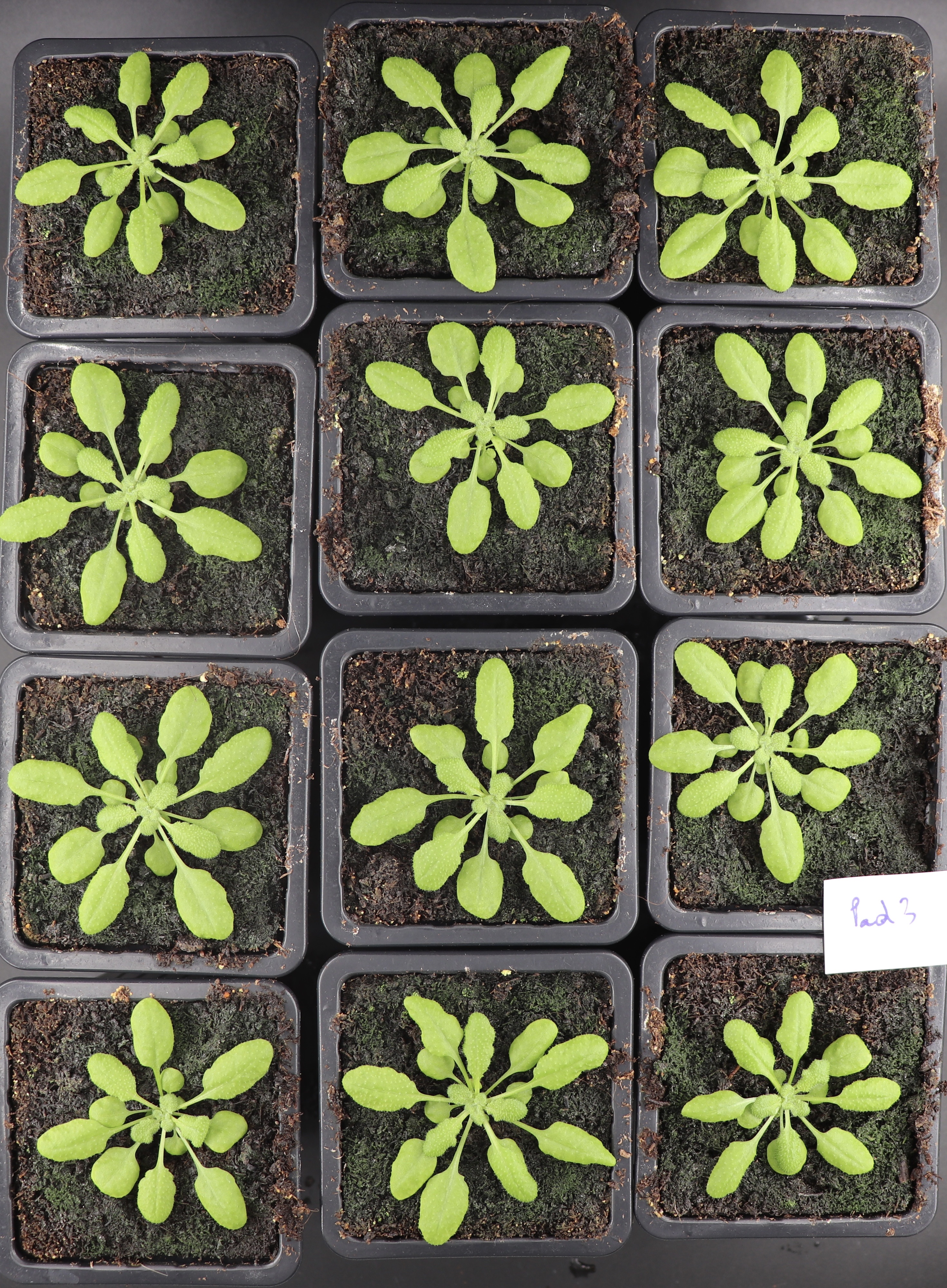
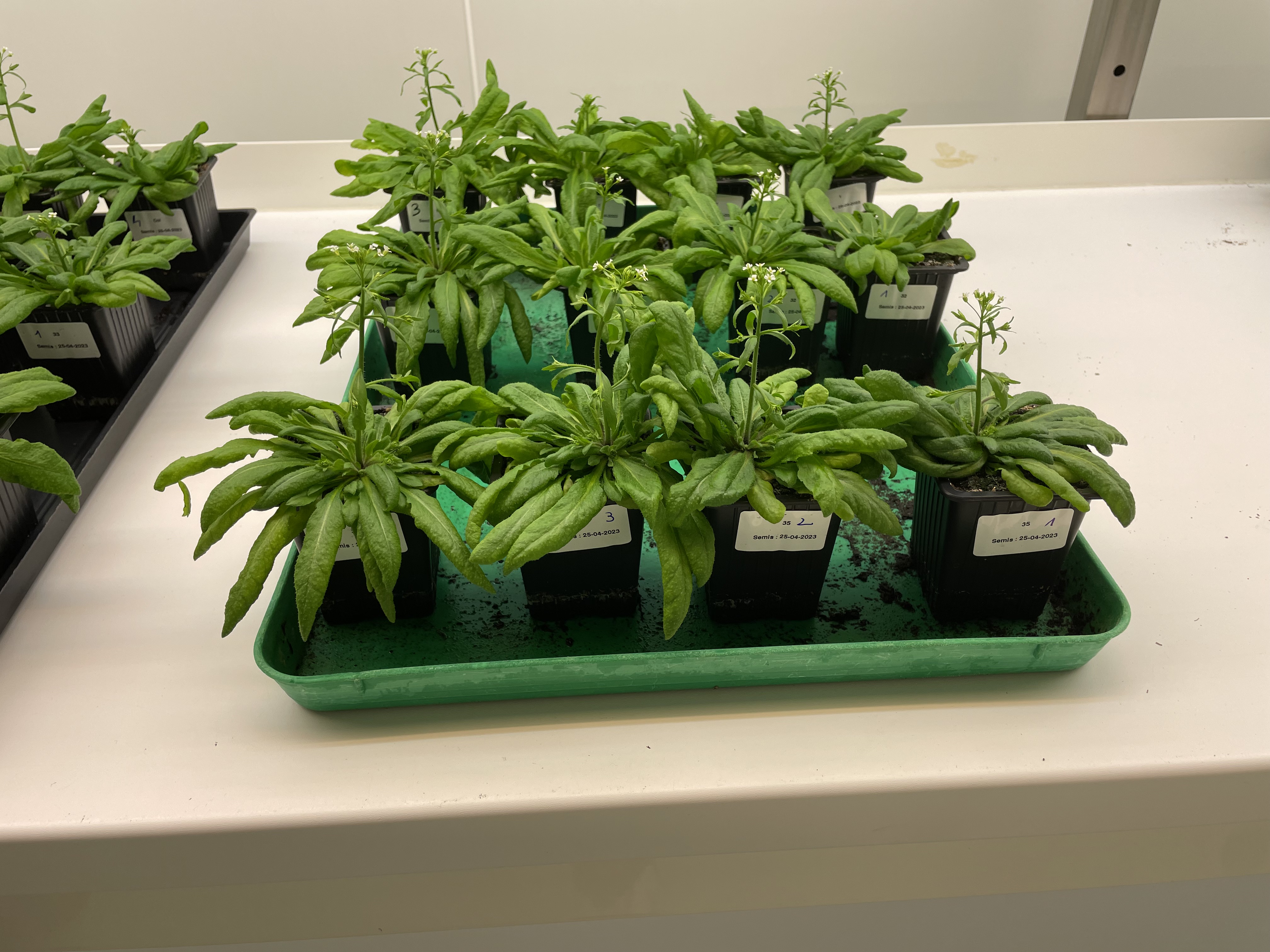
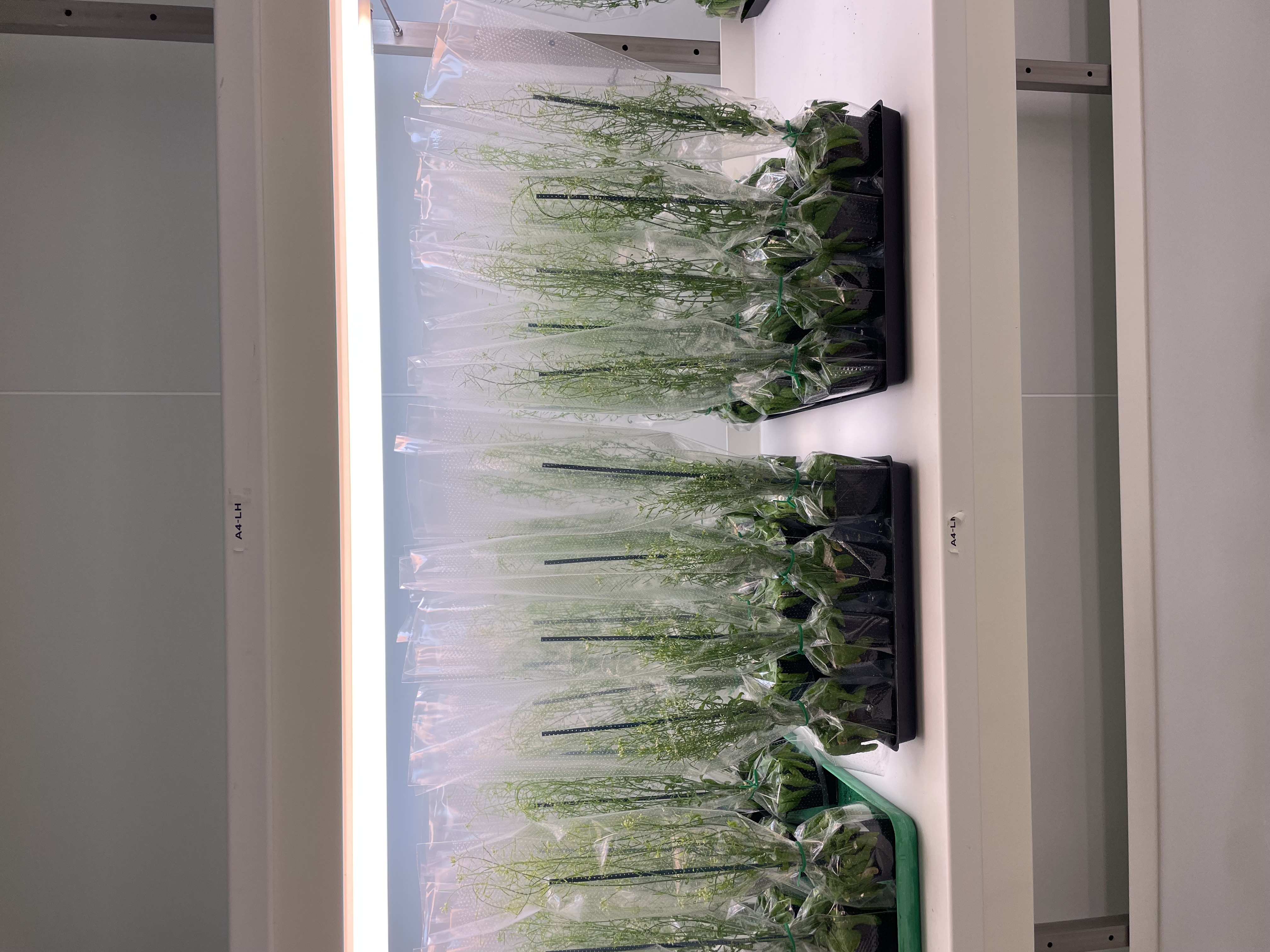
Phenotyping Arabidopsis resistance to Alternaria brassicicola in phytocytokine mutants identified via transcriptomics
This project focused on understanding the molecular mechanisms underlying plant resistance to fungal infection, using Arabidopsis thaliana as a model system and phytocytokine mutants identified through transcriptomic analysis.
Methods & Skills
Technical Skills
Image Analysis & Phenotyping
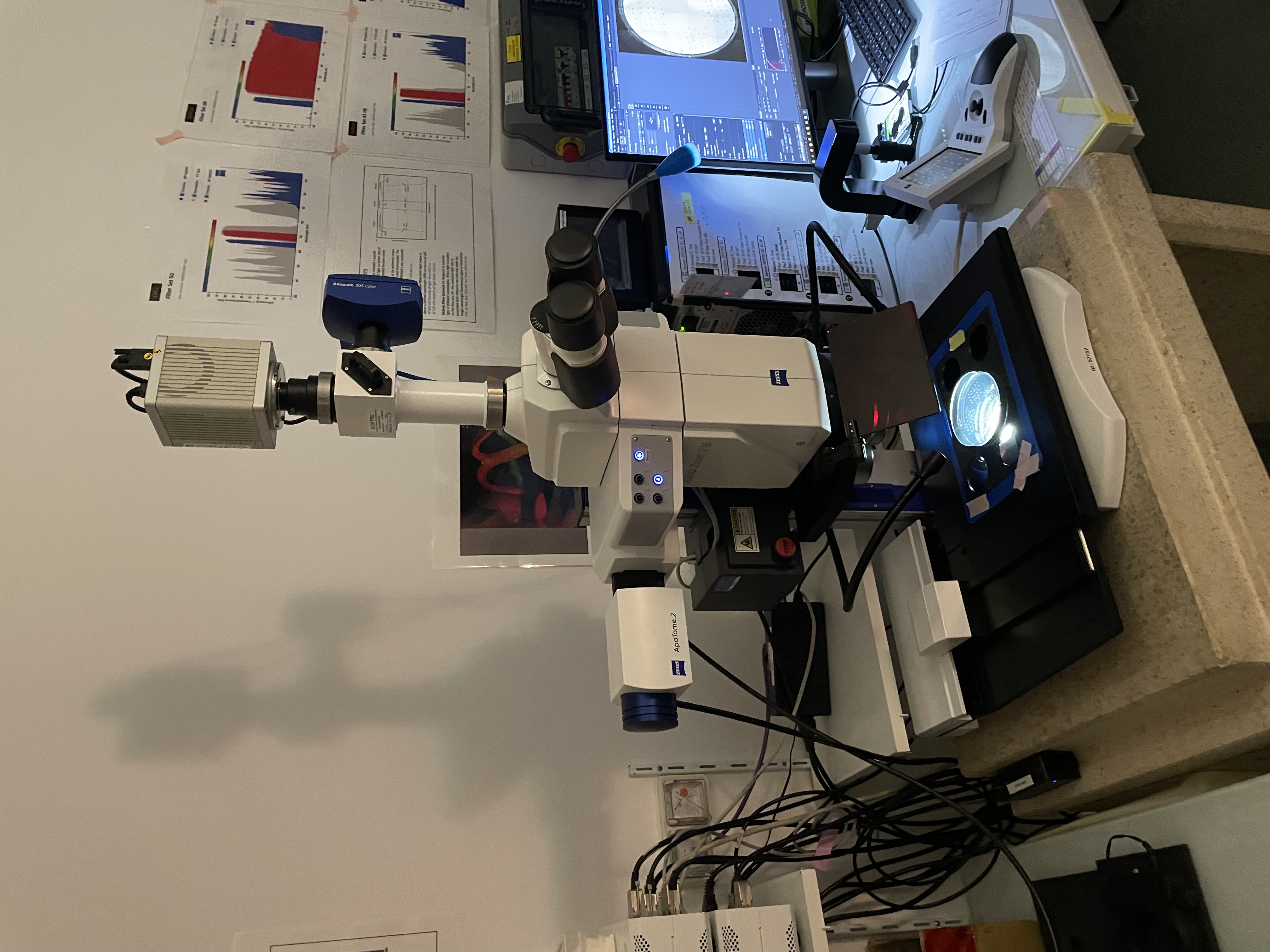
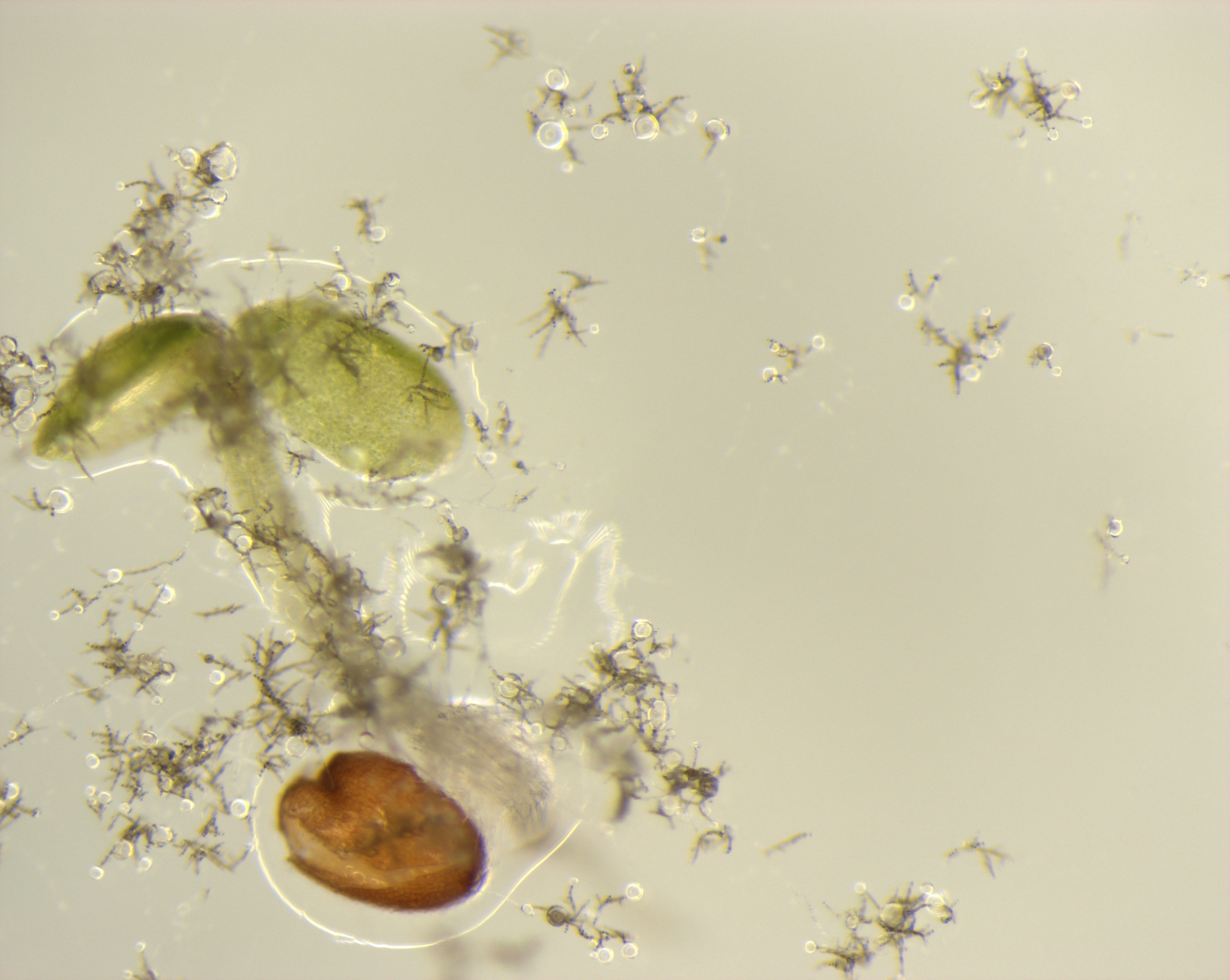
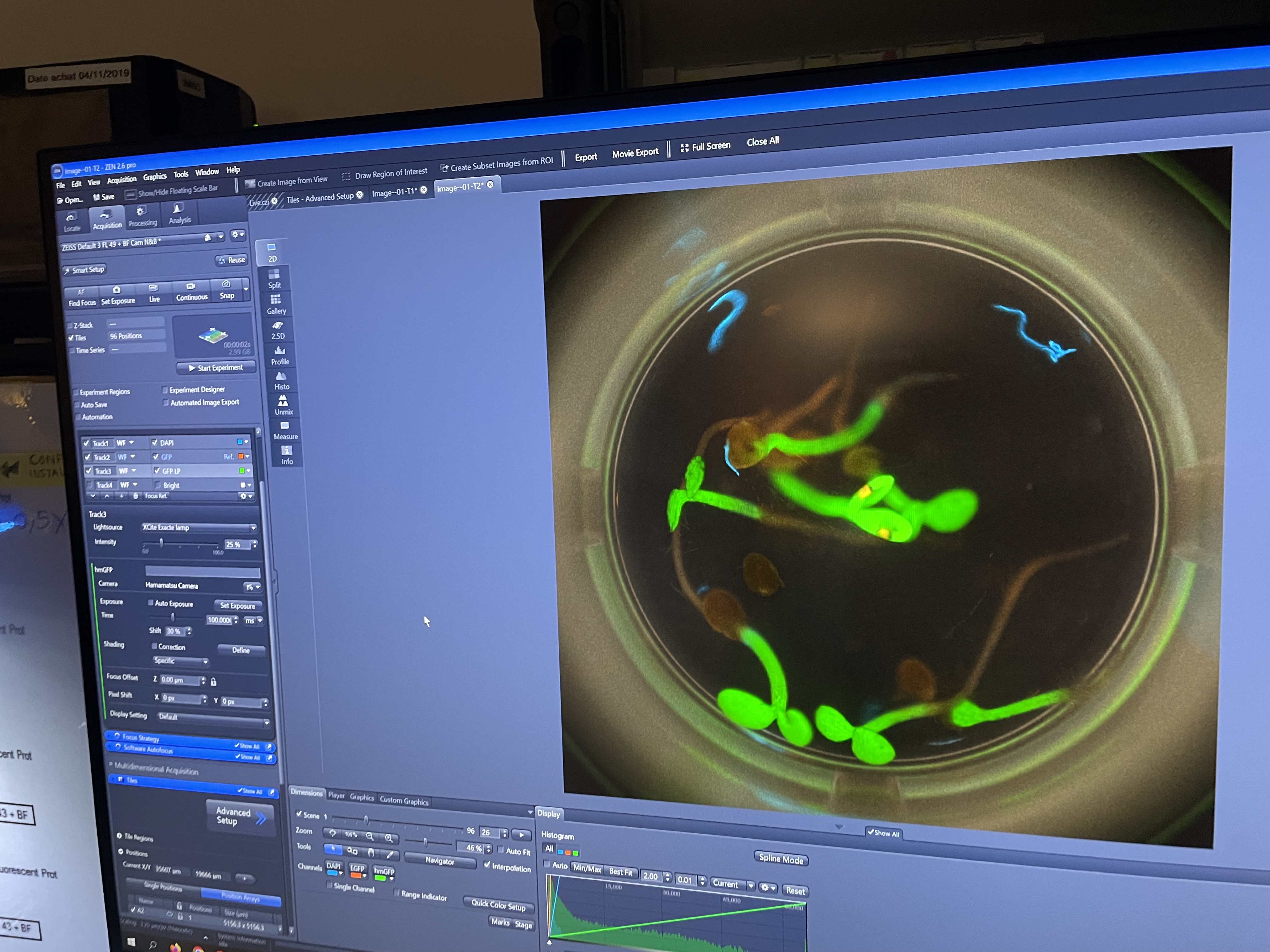
- Image acquisition with the Zeiss macroscope on the IMAC platform
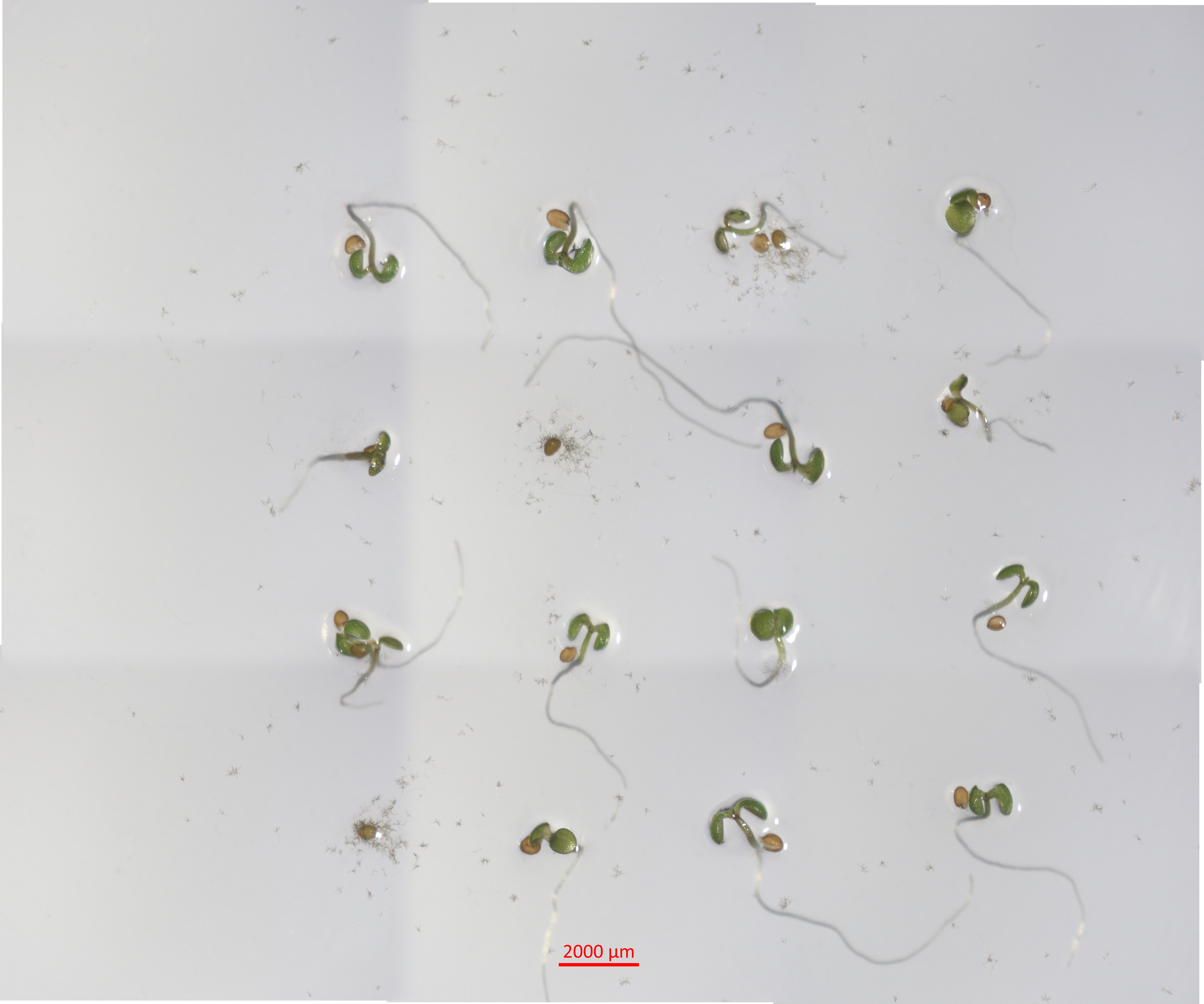
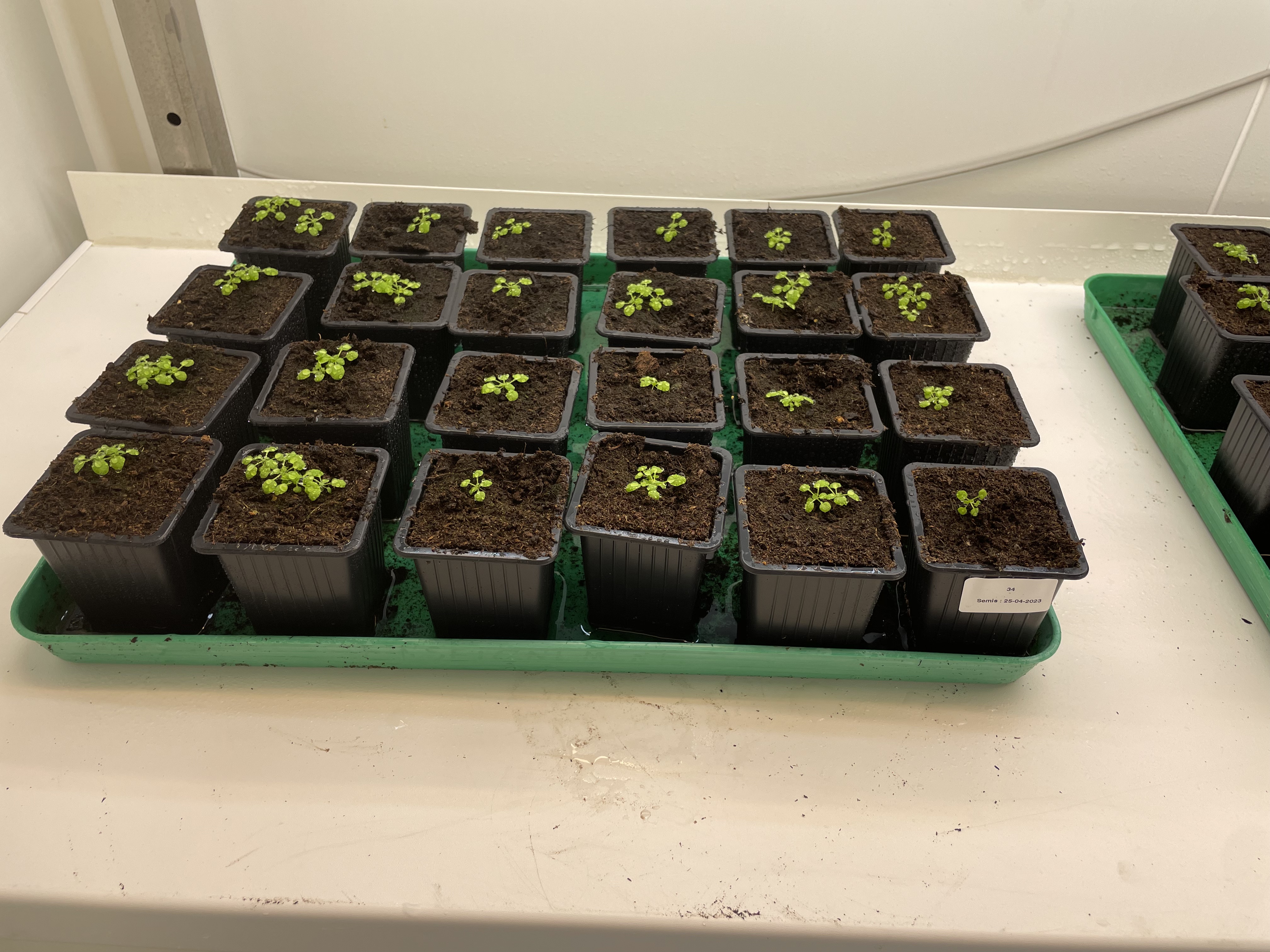
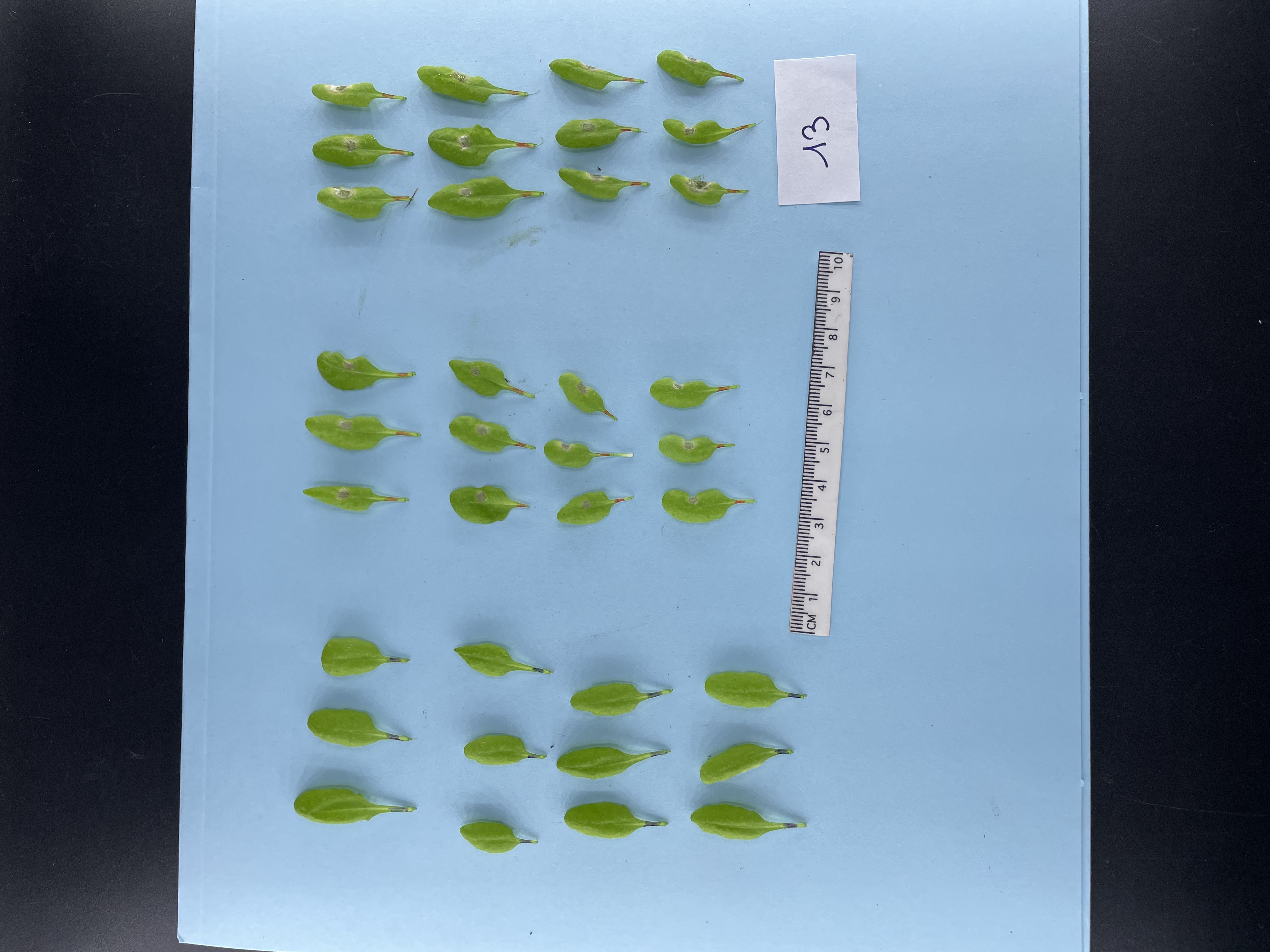
- Tracking lesion development and segmentation at the rosette stage using Ilastik software and R/Python scripts
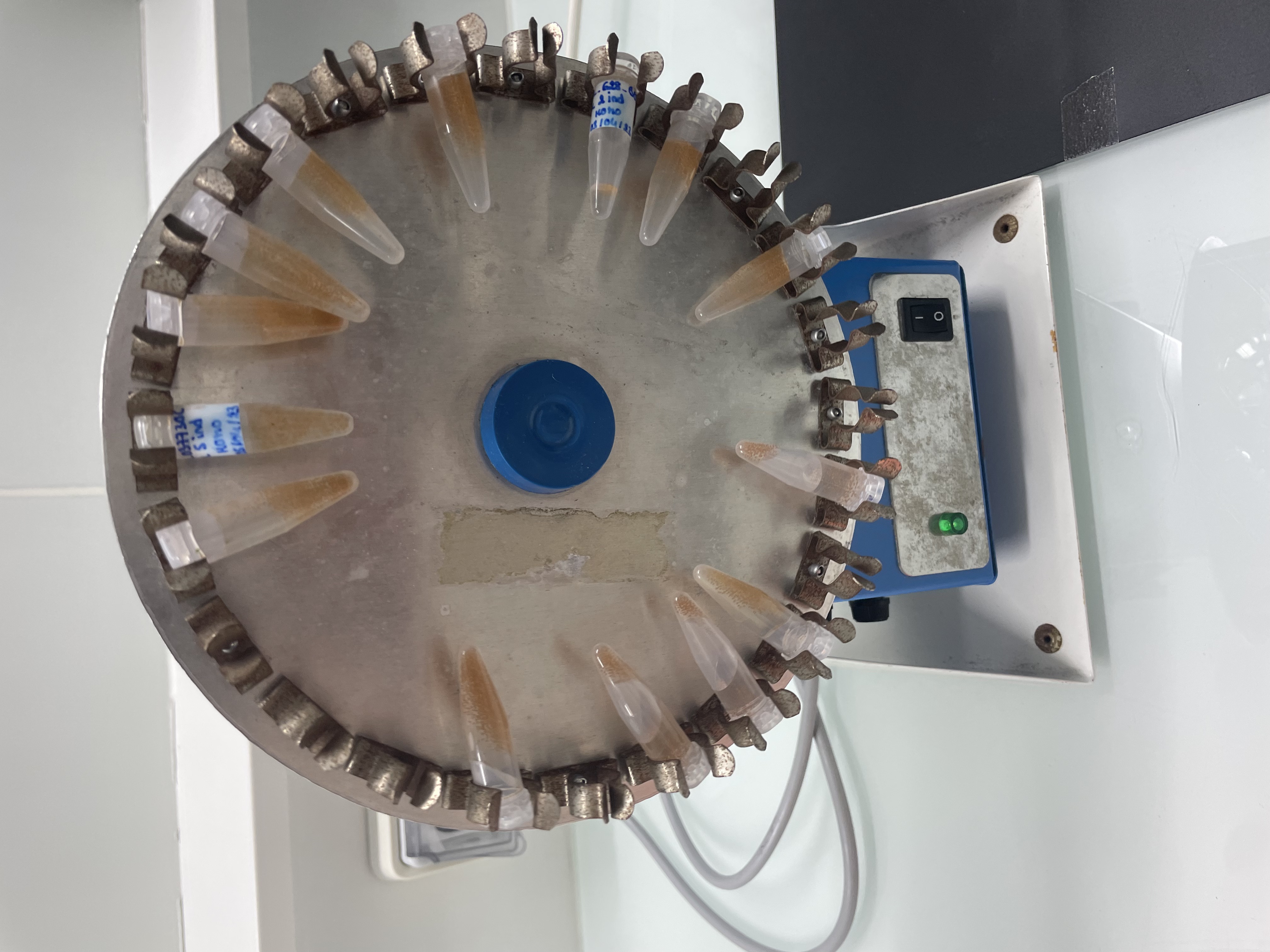
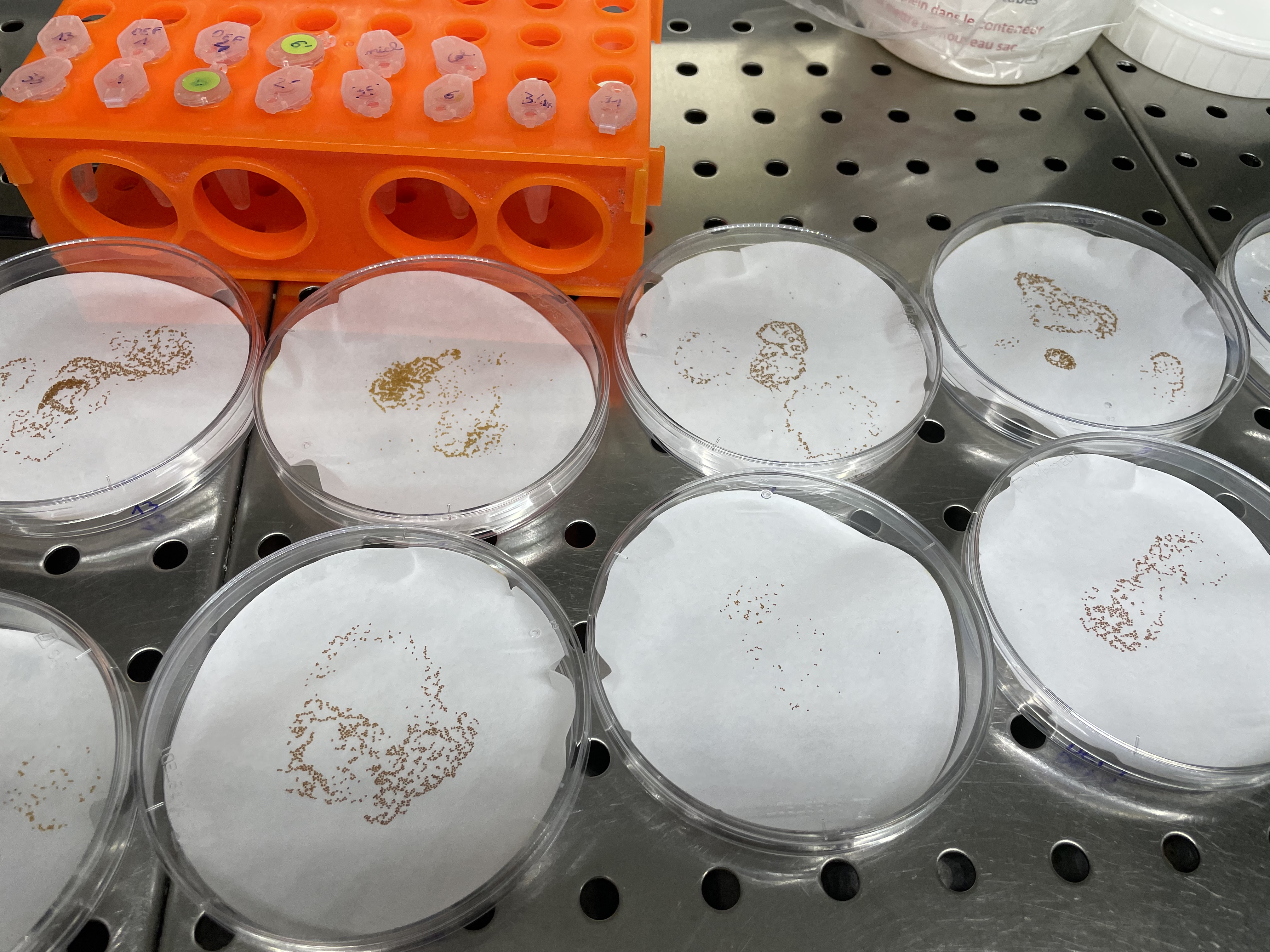
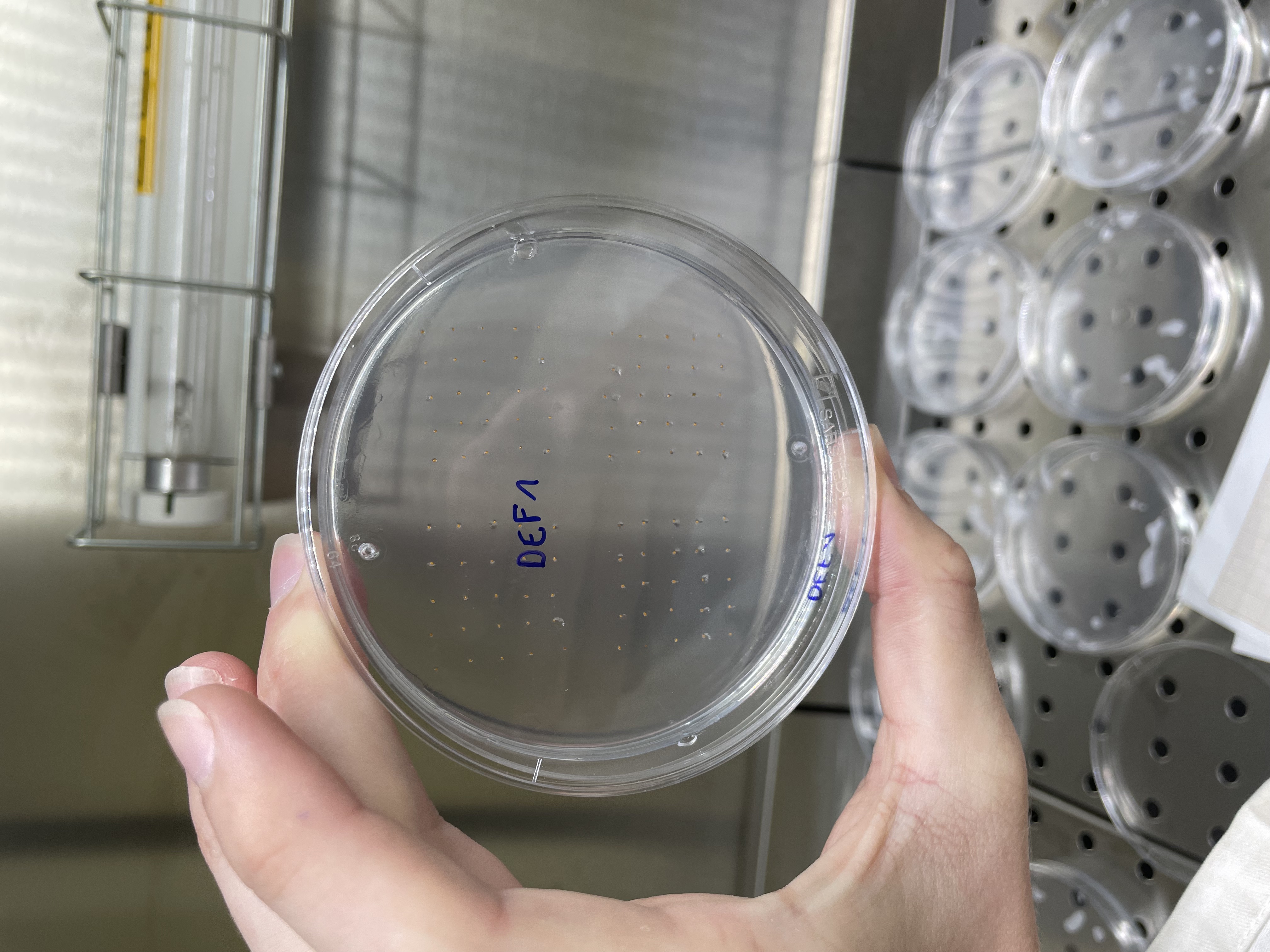
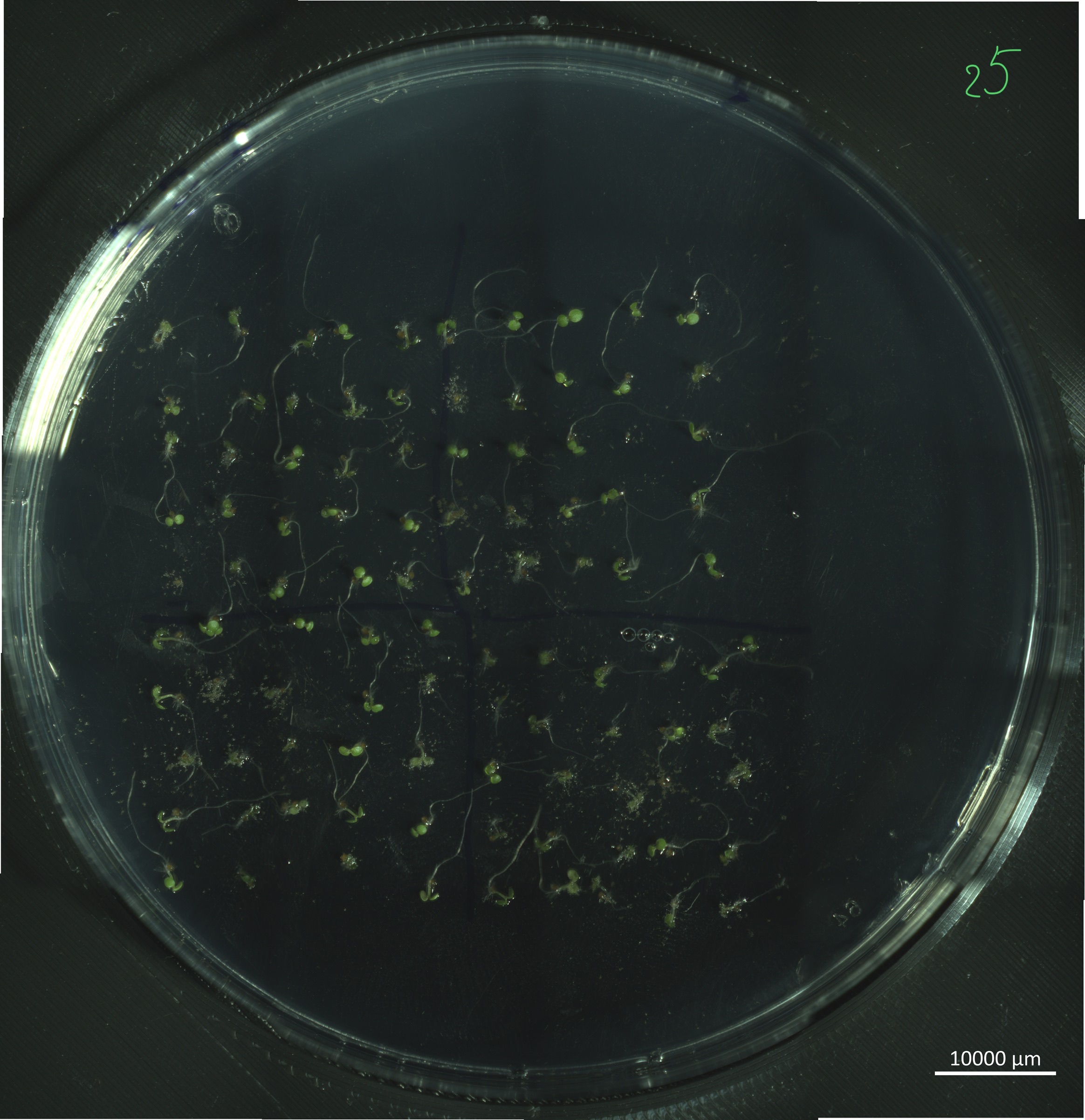
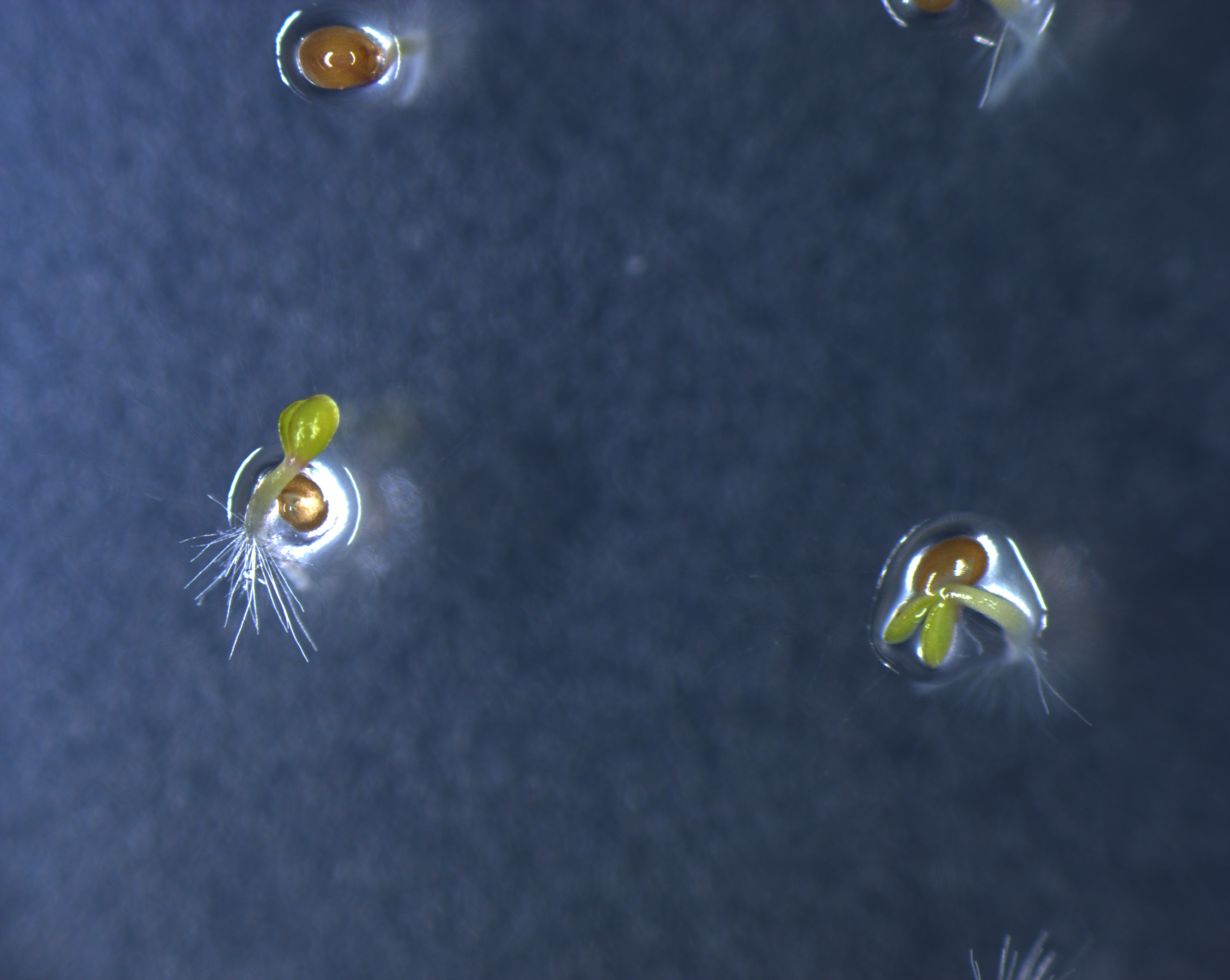
- Monitoring seedling germination and symptom progression on petri dishes
- High-throughput image processing and quantitative phenotyping
Plant Pathology & Biosafety
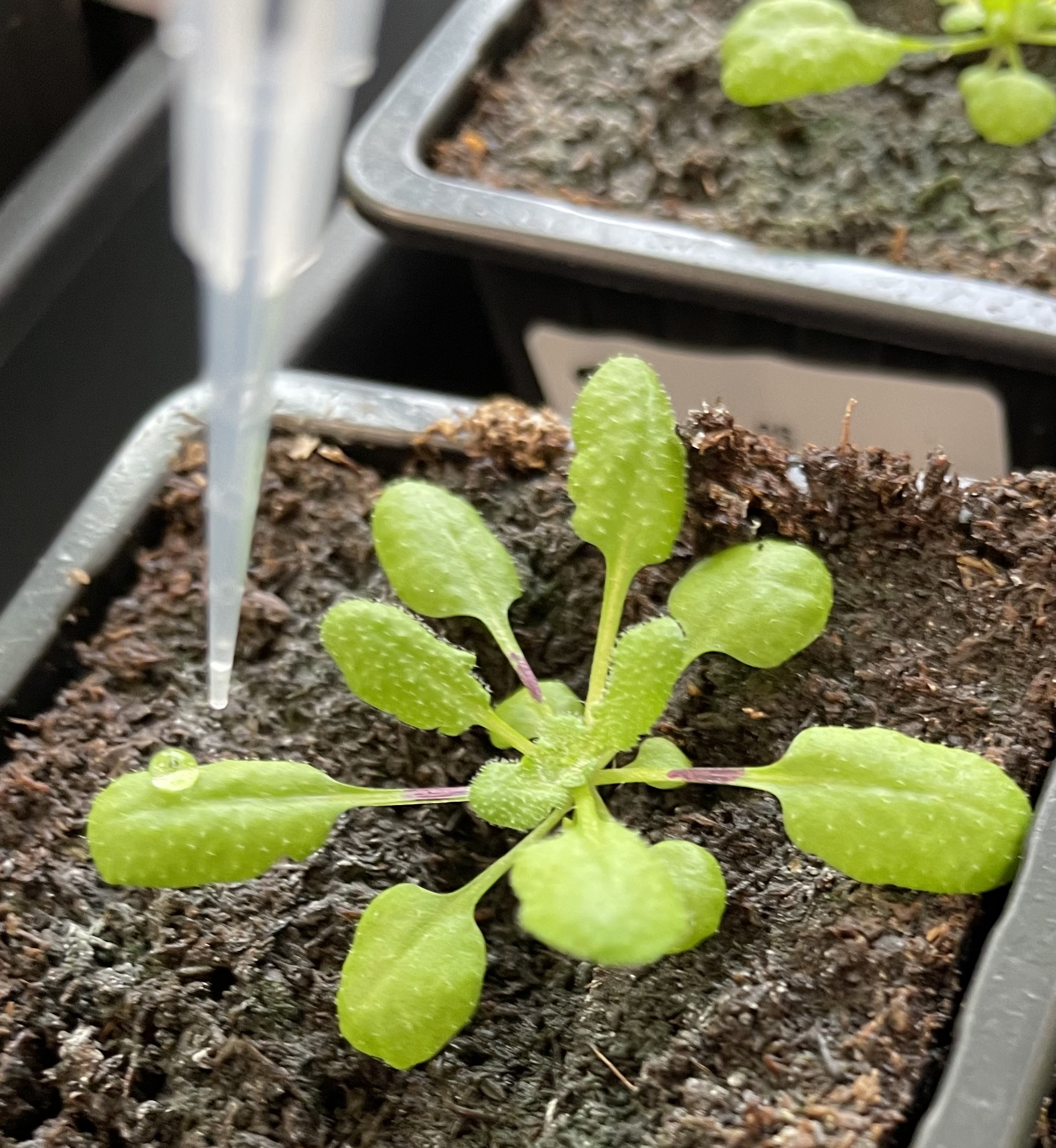
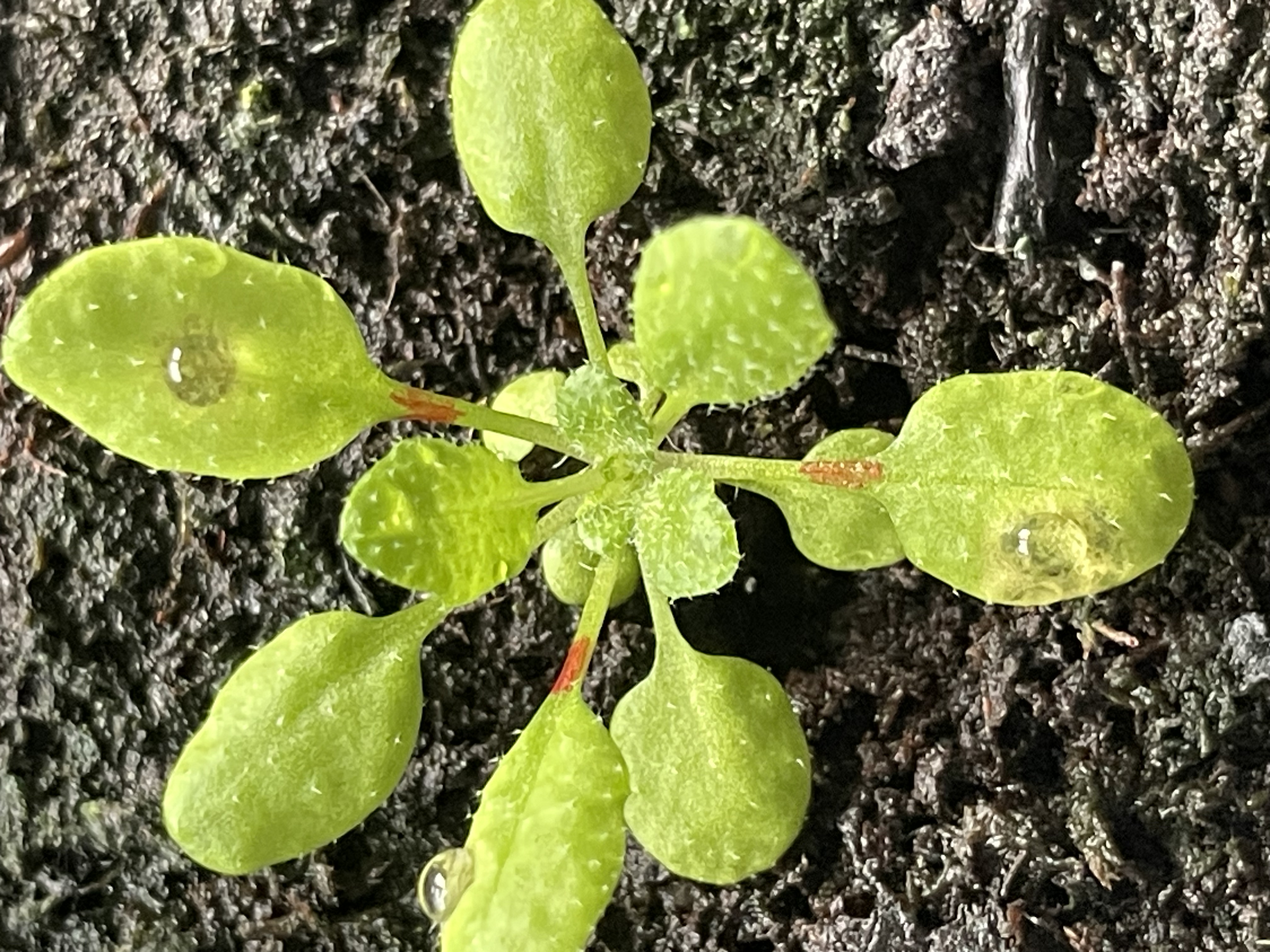
- Inoculation with Alternaria brassicicola
- Disease symptom monitoring and scoring
- Phenotyping of resistance in mutant lines
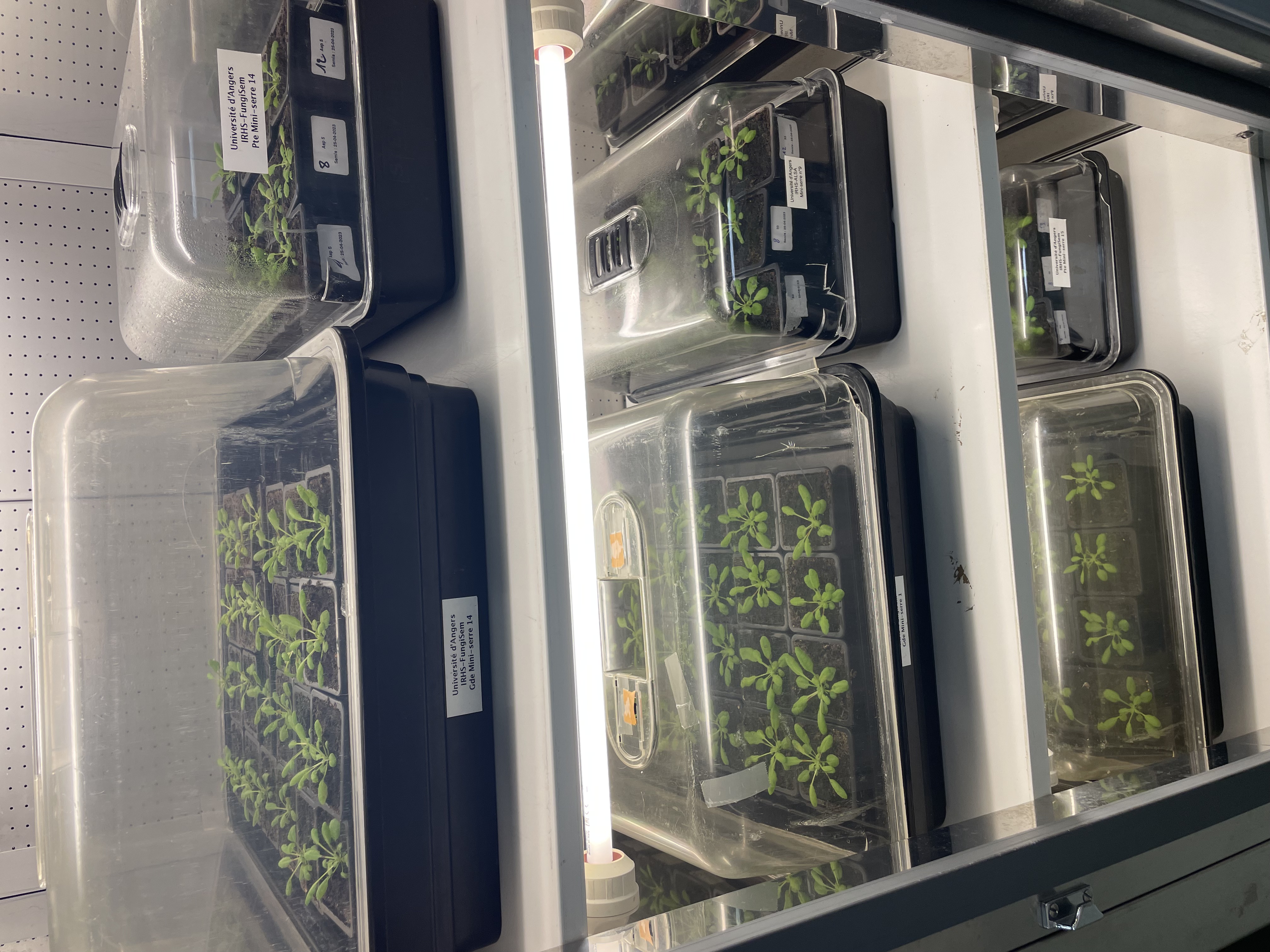
- Working with GMO mutant plants in confined laboratory environments
- Adherence to biosafety protocols for genetically modified organisms
Seed Treatment
- Testing osmopriming with peptide complementation to evaluate effects on germination and phytoprotection against pathogens
Professional & Soft Skills
- Autonomy: Developed independence in experimental design, data collection, and analysis workflows
- Laboratory Skills: First research internship experience, acquiring specialized techniques in plant pathology and phenotyping
- Analytical Thinking: Gained proficiency in bioinformatics tools (Ilastik, R, Python) for image analysis and data interpretation
- Scientific Communication: Developed comprehensive reporting skills through thesis preparation and documentation, learned to effectively communicate research findings to supervisors and present results in the context of the ANR STRESS-PEPT project
- Initiative & Innovation: Enjoyed significant freedom to propose and implement new analytical methods and experimental approaches
- Problem-Solving: Adapted methodologies to optimize image segmentation and phenotyping workflows
- Attention to Detail: Maintained rigorous protocols for infection assays and quantitative measurements
Supervision
- Sébastien Aubourg – Researcher, IRHS (BIDEFI team)
- Thomas Guillemette – Researcher, IRHS (FUNGISEM team)
- Philippe Grappin – Researcher, IRHS (FUNGISEM team)
Outcomes
Reflections on the Internship
First Research Experience
This internship marked my first hands-on experience in a research laboratory, providing an invaluable introduction to the realities of scientific research. It allowed me to discover the day-to-day operations of a research team, understand the complexities of experimental design, and develop fundamental laboratory skills that would serve as a foundation for my future work.
Key Takeaways
This internship was a particularly enriching experience that significantly shaped my scientific development:
Freedom of Thought and Innovation: I greatly appreciated the intellectual freedom my supervisors provided, allowing me to propose new analytical methods and contribute meaningfully to the experimental approach. This autonomy fostered creativity and gave me confidence in my ability to think critically about scientific problems.
Technical Skill Development: I acquired extensive laboratory skills in plant pathology, biosafety protocols for GMO handling, and advanced imaging techniques. Mastering the Zeiss macroscope and developing proficiency in bioinformatics tools (Ilastik, R, Python) for image analysis were particularly valuable achievements.
Analytical Autonomy: I developed strong analytical independence, learning to process and interpret complex phenotyping data, troubleshoot technical challenges, and make informed decisions about methodological adjustments.
Scientific Communication: Through the preparation of my comprehensive thesis and oral presentation, I significantly improved my scientific writing and communication skills, learning to structure complex information clearly and present findings effectively.
Impact on Career Direction
This positive first research experience reinforced my interest in combining biological research with computational approaches. The satisfaction I derived from developing image analysis workflows and proposing innovative methodologies foreshadowed my later interest in bioinformatics and data science. The supportive research environment and intellectual freedom I experienced in this internship set a high standard for the collaborative and innovative research culture I sought in my subsequent academic pursuits.